Skip to content

OnframeImaging read for cloth

Will this hold
up on camera

The same piece is fine in the room and unusable through a lens. Photograph the weave up close and this tells you which of three things will happen, which of them you can work around, and which mean the piece belongs somewhere other than in front of a camera.

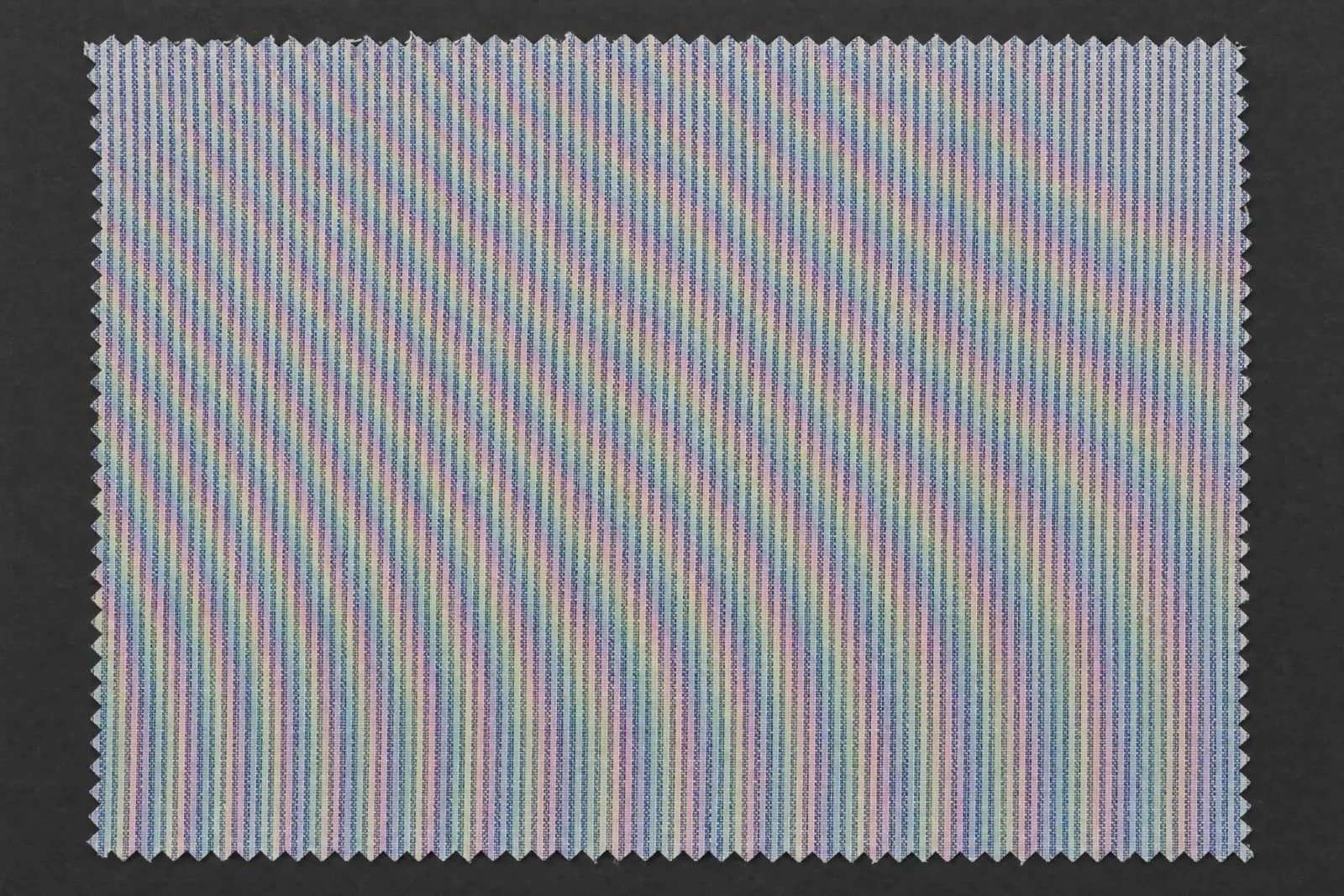
Moire
computed, not guessed
Unfixable
always printed
People
never in scope
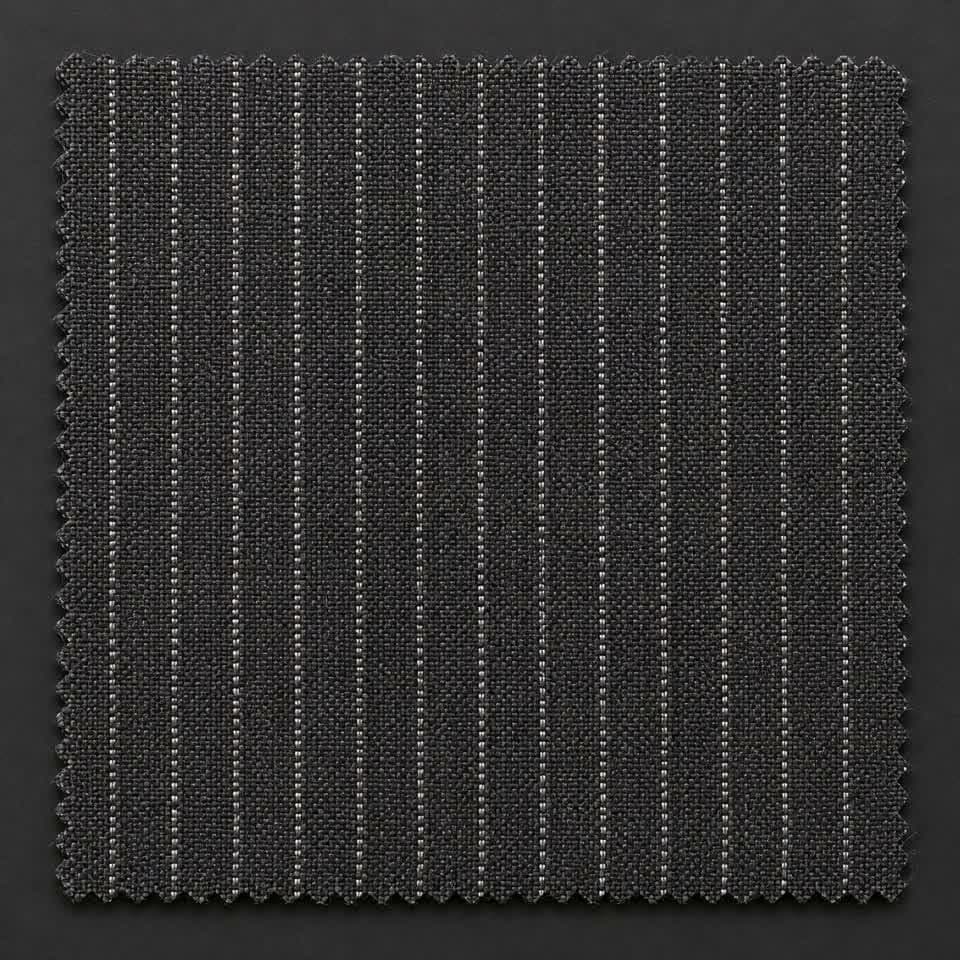
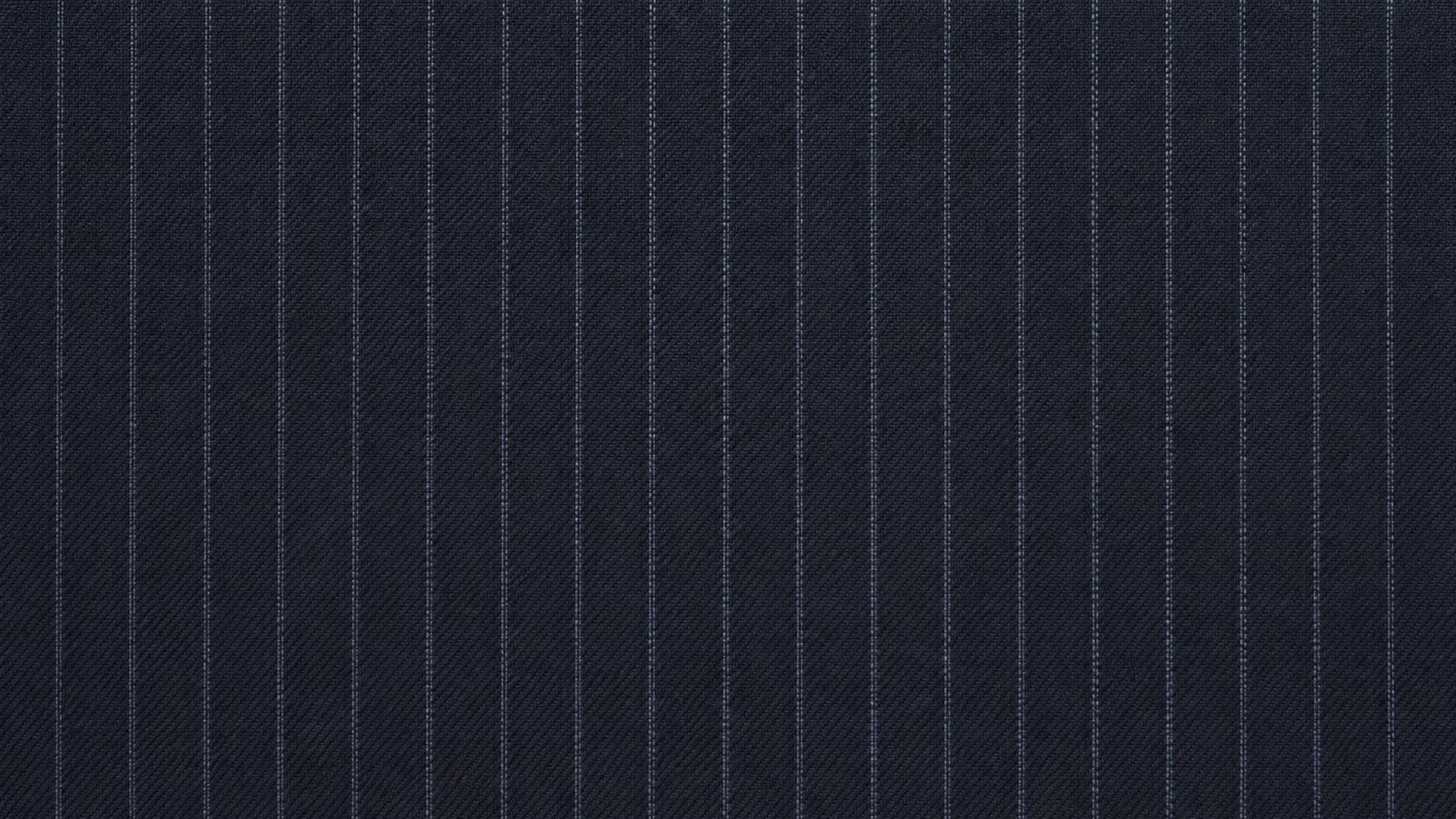
A length of navy pinstripe wool photographed flat and close: fine chalk stripes running vertically, evenly spaced, clean, with the twill of the weave visible between them.
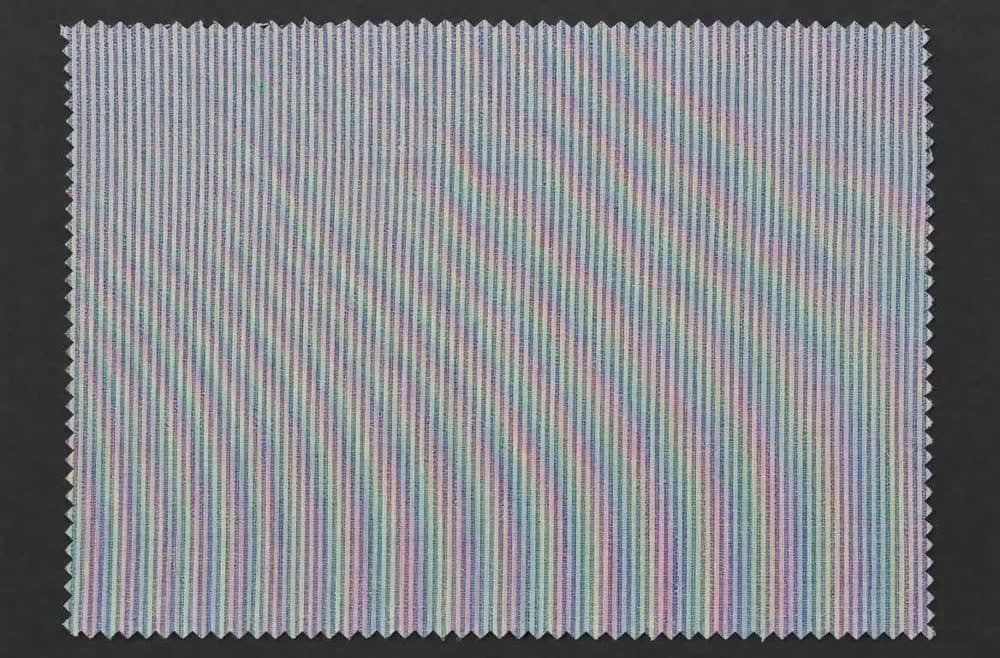
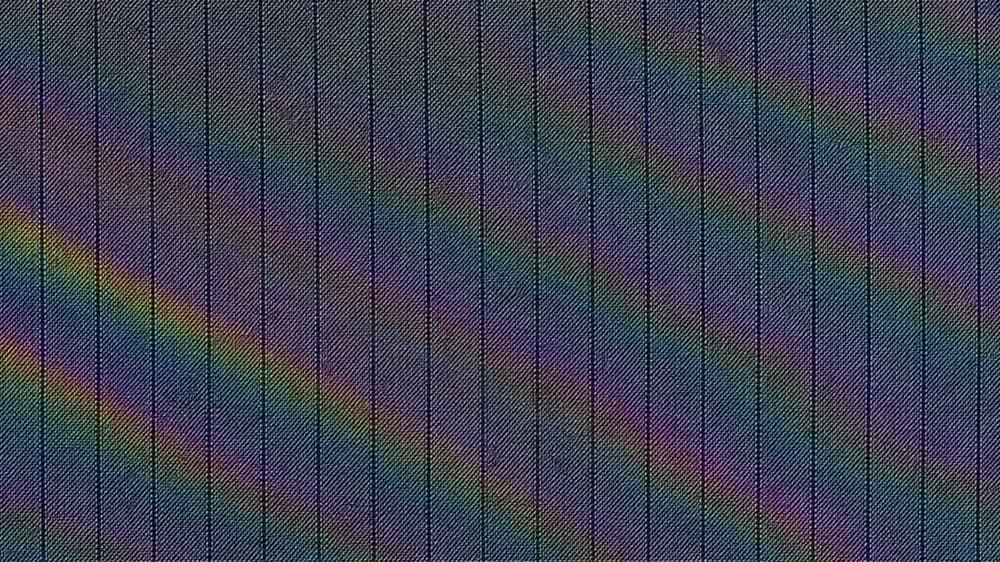
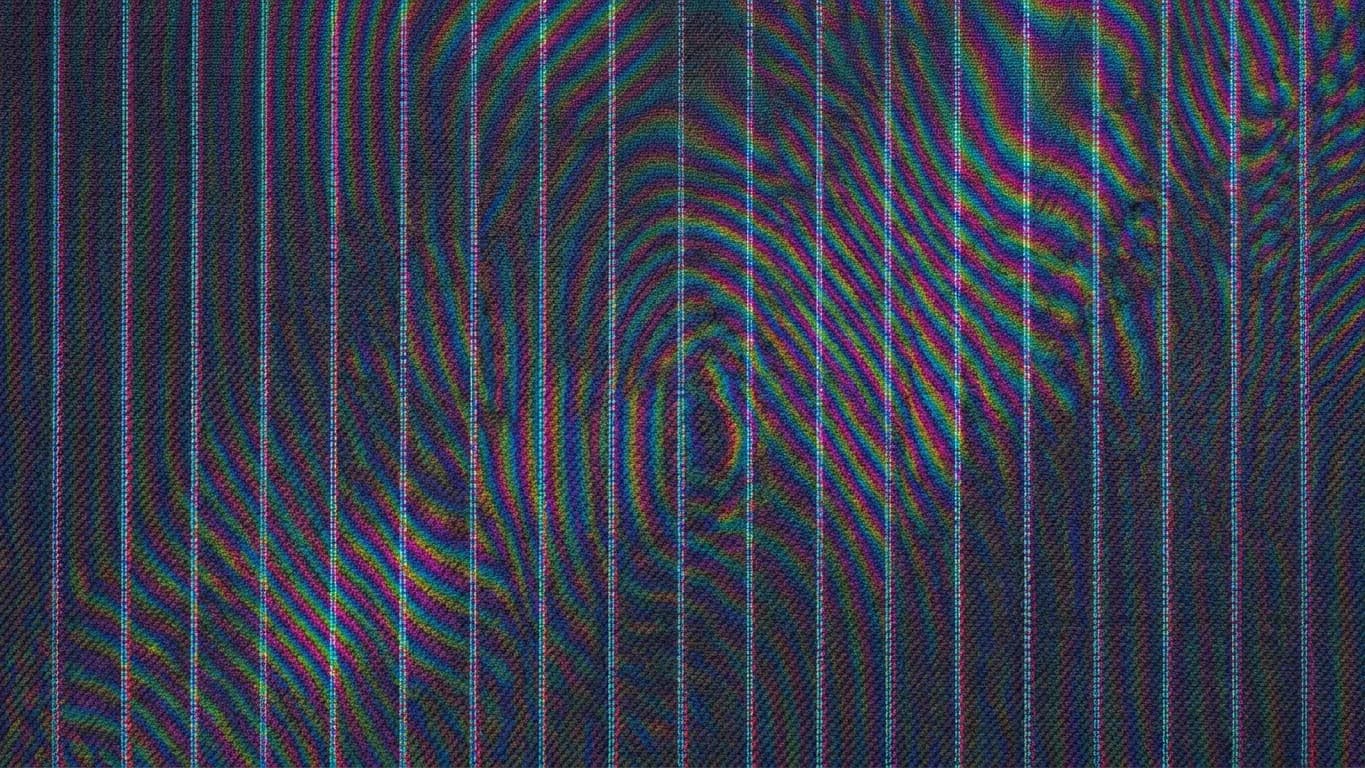
The identical cloth as a sensor records it: broad rainbow interference bands curve across the stripes in concentric arcs, magenta and green, sitting on top of the weave rather than in it.
What you seeWhat the sensor records

Drag the divider, or focus it and use the arrow keys

One cloth, two records of it. On the left, the chalk stripes are even and the twill is legible between them. On the right, the same stripes carry broad magenta and green arcs that are not on the cloth at all — they are made when the weave is sampled by the pixel grid, and they travel whenever anything moves.

01What is being read

Three things happen to cloth on the way through a lens

They have nothing to do with each other and nothing to do with picture quality. Each one is reported on its own, with its own reason, and told apart by its shape and its name rather than by a colour — one of the three is colour distortion, so colour cannot also be the scale.

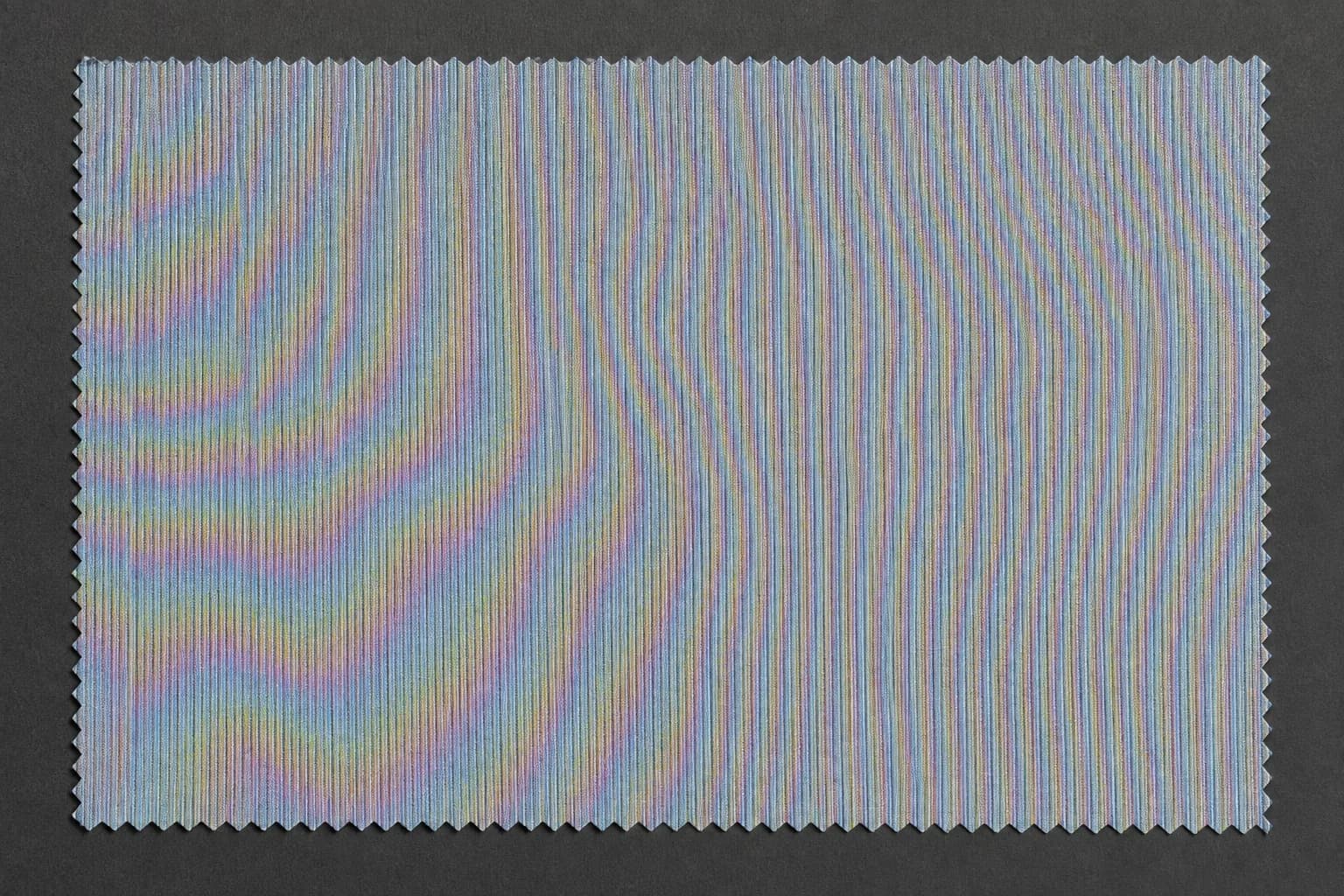
Fine striped shirting carrying rainbow interference bands across the whole surface.
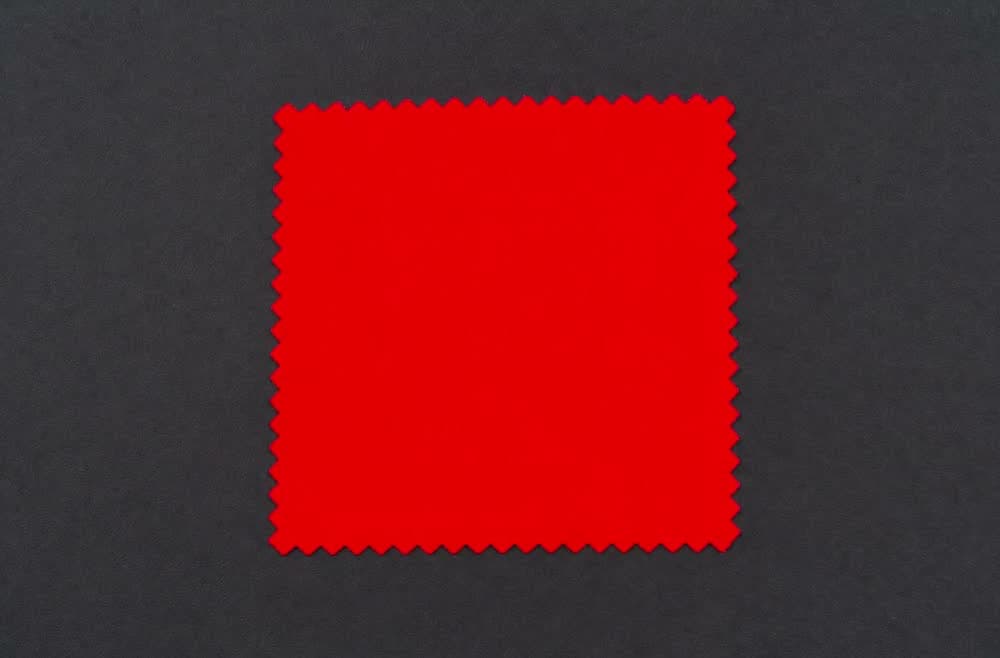
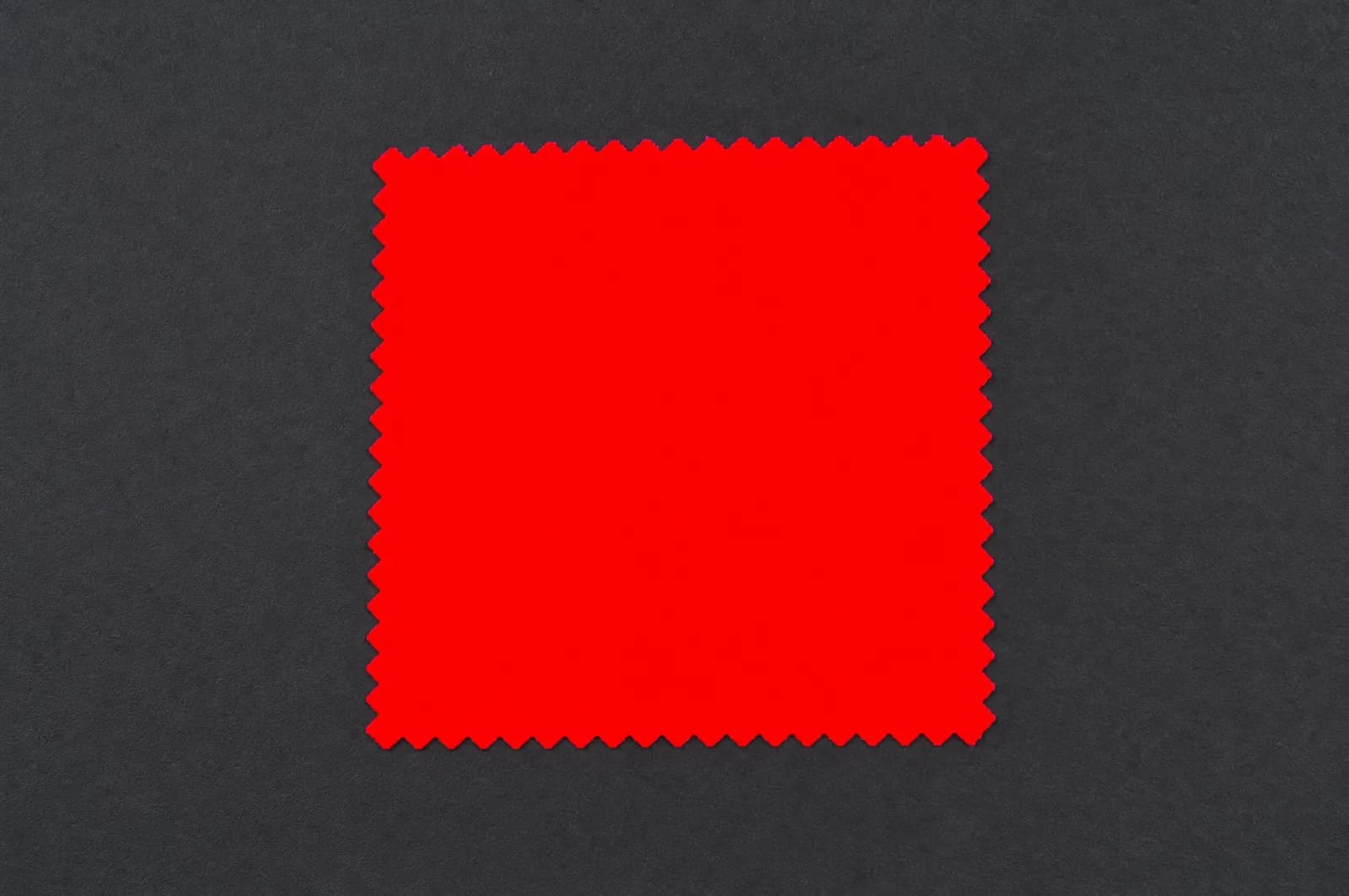
A swatch of saturated scarlet cloth flattened into a single glowing area with no weave visible inside it.
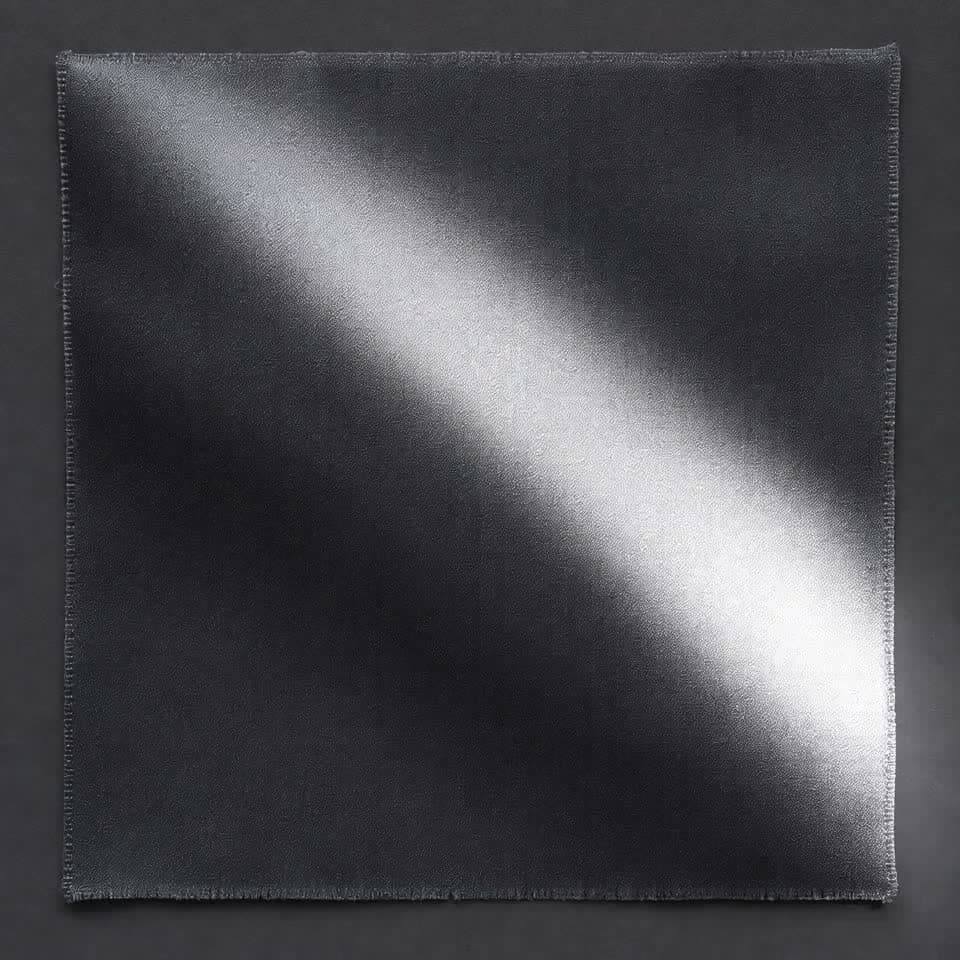
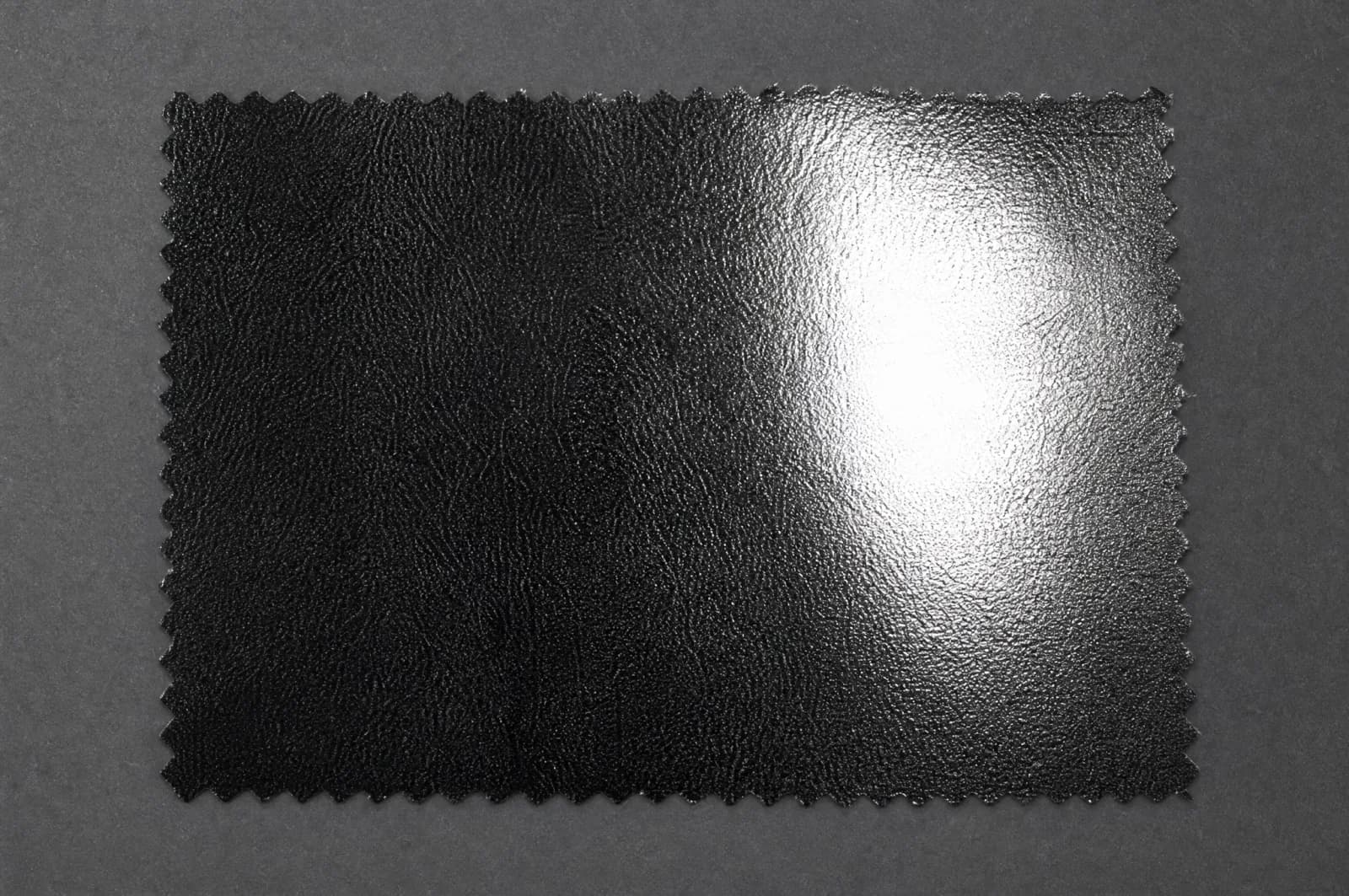
A glossy coated black surface with one broad blown-out highlight erasing the texture underneath.

02How a read runs

Three steps, and the third one only when there is something to see

Fabric and camera. Nothing about how anyone looks on screen.
The scope, in one line
Input
One close photograph of the weave, plus a camera category and a distance
Output
Three readings, the reasons, what a change fixes, what it does not, and what cannot be known
Never
A human figure, a make of camera, or a word about selling
  1. A woven cloth photographed close enough that individual warp and weft threads separate.

    01

    Photograph the weave, not the piece

    Close enough that the threads separate. Flat, with nothing else in frame. Then one line about the camera and how far it will be — a category and a distance, not a make and a model. Photographs of anyone wearing anything are refused here.

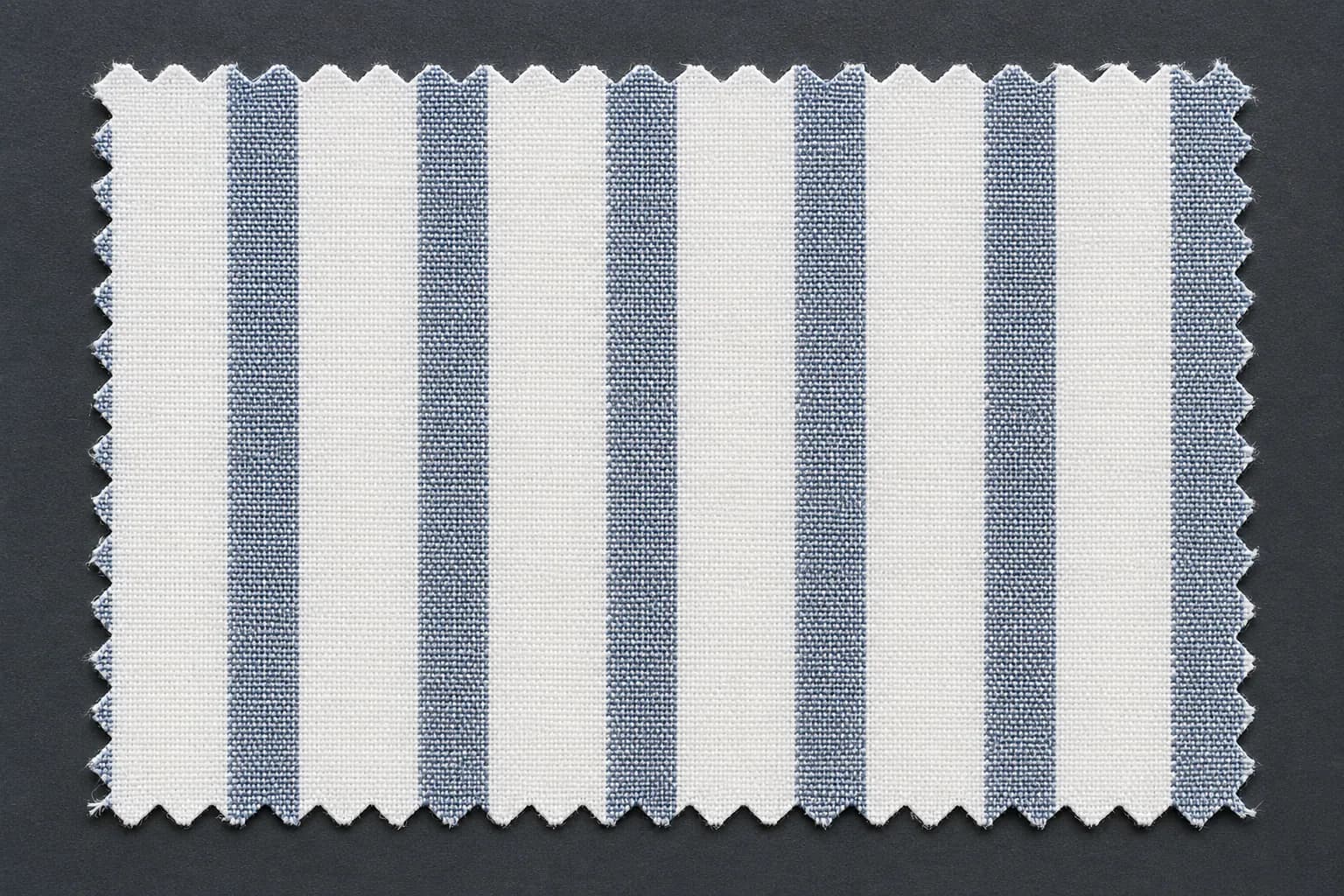
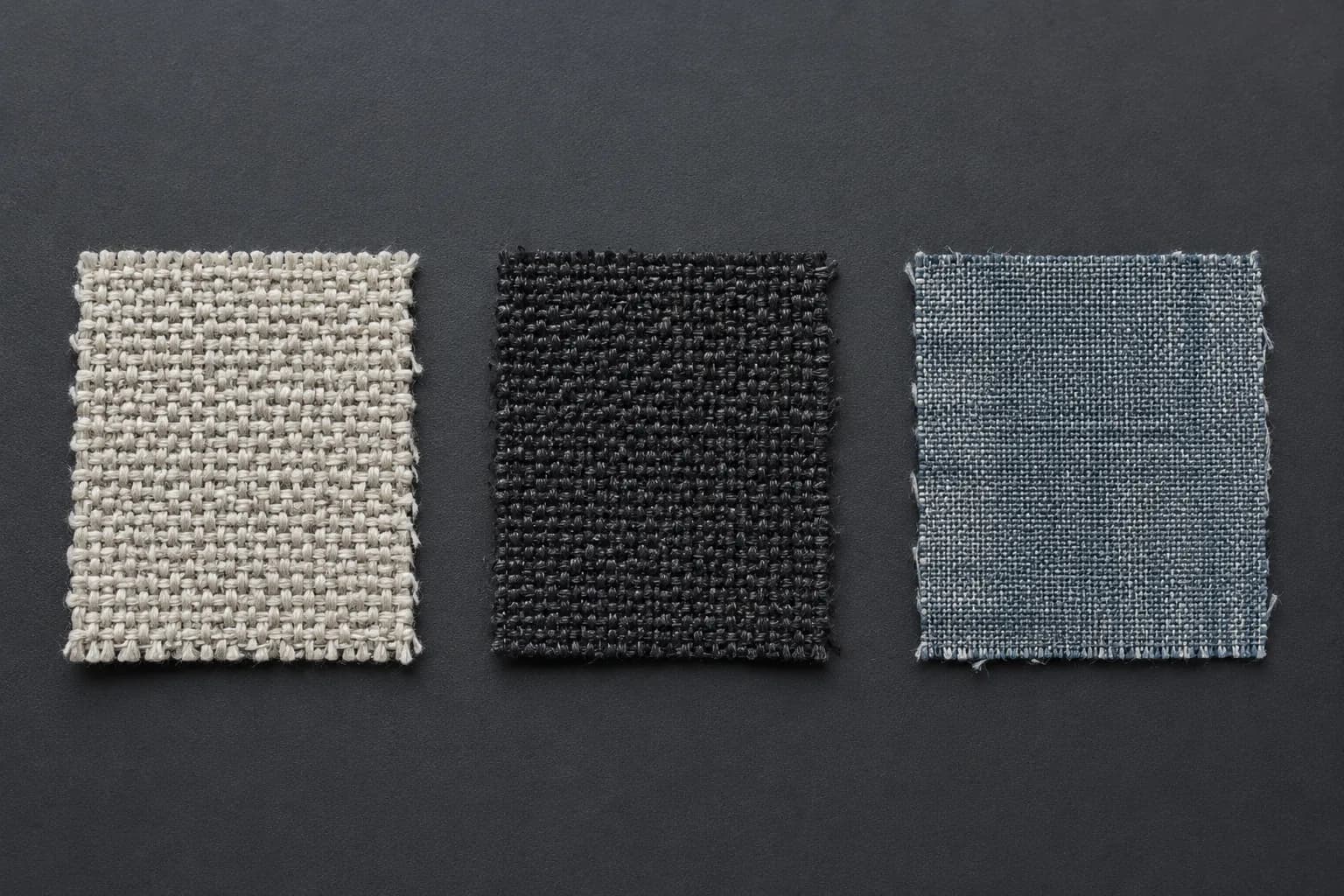
  2. Three cloth swatches laid out in a precise row with even spacing, like samples on an examination bench.

    02

    Three readings, each with its reason

    The read measures the repeat and the density of the weave. The interference is then worked out in your browser from that repeat and the sampling geometry of the camera category — arithmetic, not a model's opinion. Colour and glare are read from the photograph. Everything the read cannot know is printed with it.

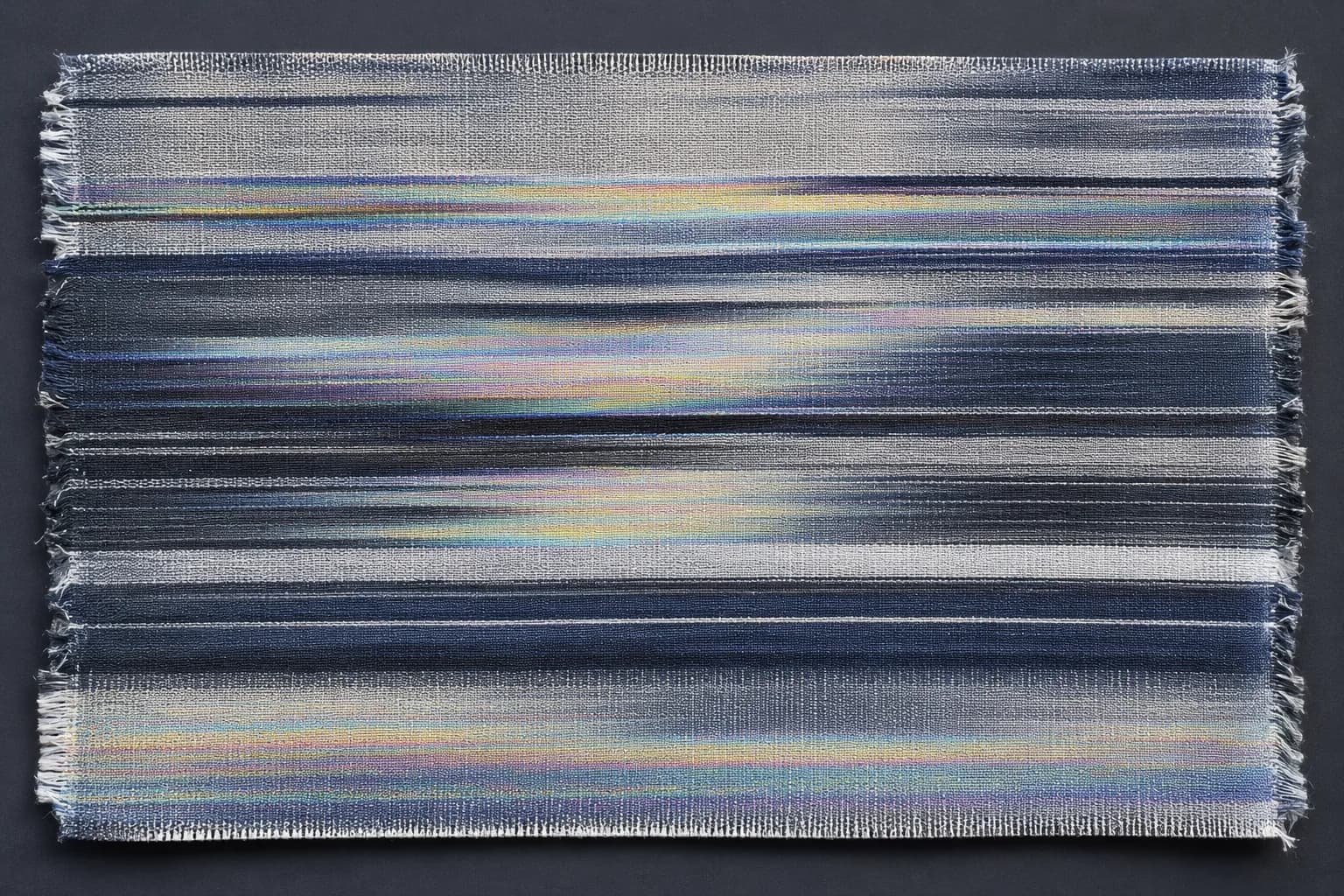
  3. A length of fine striped cloth captured mid-pan, interference bands smearing horizontally across it.

    03

    Watch it move, if it moves

    A still frame under-sells interference badly. When the reading comes back medium or high, a short clip shows the bands travelling the way they do in a room. When it comes back low there is no clip, because there would be nothing on it.

03A read, in full

The useful sentence is often the one that says stop

Three worked examples, produced by the same arithmetic the product runs. The first is the one that breaks the habit everyone has.

Fine navy pinstripe suiting, photographed flat and close enough to separate the weave.R-4417

Fine navy pinstripe suiting

Phone, main lens, 1080p · stated at 1.4 m

This is the read that breaks the habit. The cloth is clean where the shot is already framed and gets worse the further back you go.

  • Moire

    LowMoire: Low risk, 1 of 3.

    A repeat of about 3.2 mm. Against Phone, main lens, 1080p: it is clear where the shot is framed, but not everywhere. It comes up around 4.5 m, 4.4 m, 4.7 m, so walking backwards from here makes it worse rather than better.

  • Colour

    LowColour: Low risk, 1 of 3.

    Navy and chalk sit well inside what every channel can hold. Nothing here is close to running out of room.

    Channel under pressure: None

  • Glare

    LowGlare: Low risk, 1 of 3.

    Worsted wool scatters light rather than returning it. The surface stays matte at every angle tested.

    No lighting change is needed for this cloth.

What a change fixes

  • Stay where you are.

    At the distance you gave, this weave is comfortably resolved. It is the far end of the room that is the problem, not the near end.

What no change fixes

Nothing. Everything this read found can be worked around.

What this read cannot know

  • Which sensor is actually behind the lens, and at what resolution it is recording. Two cameras with the same stated resolution can sample a weave completely differently.
  • The bitrate the stream is compressed at. Compression redistributes fine detail, and interference is fine detail.
  • What the platform does to the file after it leaves you. The same garment can behave differently on two platforms because each one re-encodes it its own way.

Moire read low, so no motion clip is produced. There would be nothing on it.
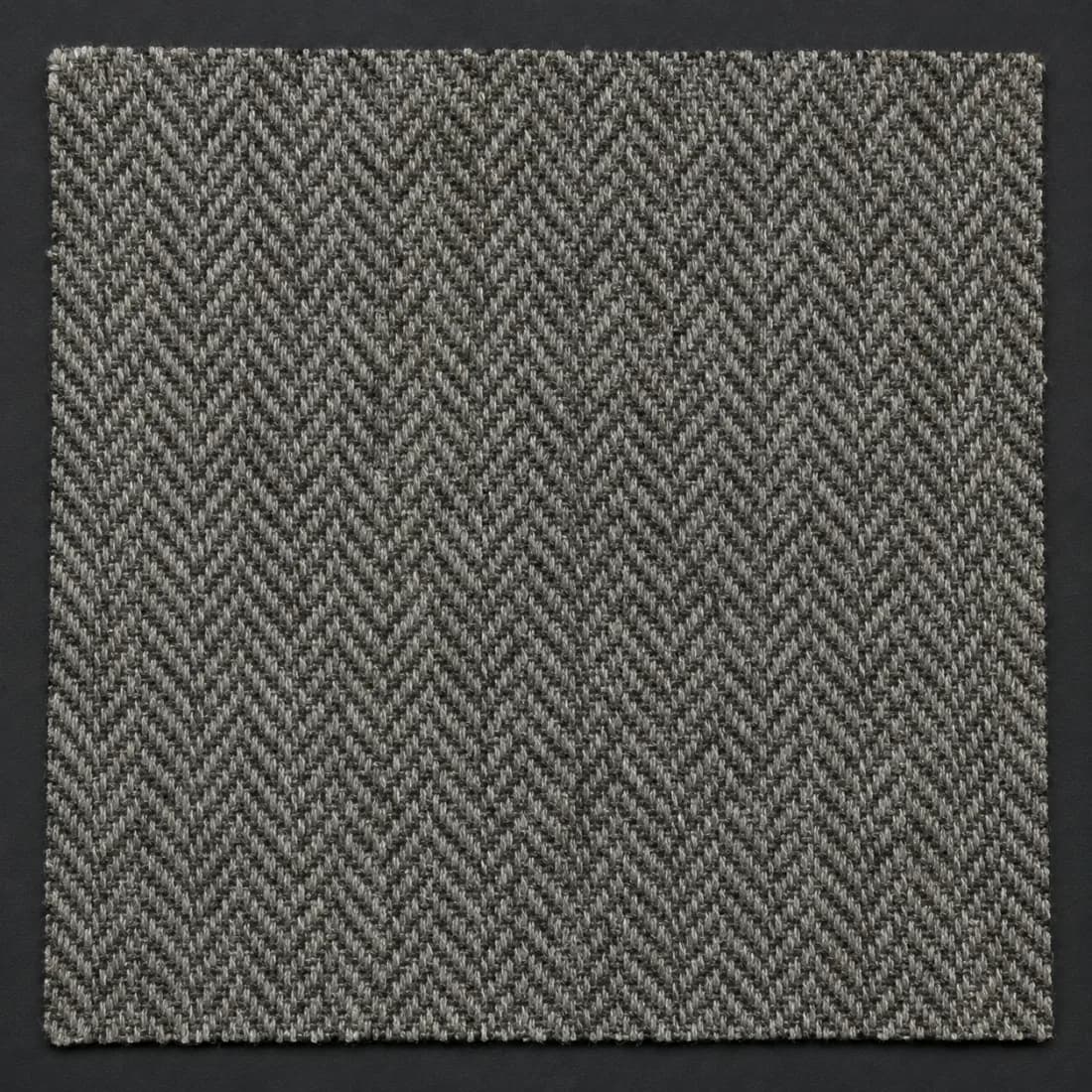
Fine herringbone tweed, photographed flat and close enough to separate the weave.R-4423

Fine herringbone tweed

Phone, main lens, 1080p · stated at 1.6 m

  • Moire

    HighMoire: High risk, 3 of 3.

    A repeat of about 1.1 mm. Against Phone, main lens, 1080p: there is nowhere between 1 and 2.9 metres wide enough to stand where this clears. It is at its worst around 1.6 m, 1.5 m, and whatever gaps sit between the peaks are a few centimetres across. A few centimetres is not a place anyone holds a position.

  • Colour

    LowColour: Low risk, 1 of 3.

    Two tones of grey. Nothing in this cloth is under pressure from colour.

    Channel under pressure: None

  • Glare

    LowGlare: Low risk, 1 of 3.

    A dry wool surface with a broken face. It scatters in every direction.

    No lighting change is needed for this cloth.

What a change fixes

Nothing on this piece is improved by a change you could make on the day.

What no change fixes

  • The chevron repeats about every 1.1 mm, which is close enough to this sensor's pixel spacing that the interference is present everywhere you could move the shot to. Angle does not help either: the chevron is regular in both directions, so turning the cloth turns the pattern with it.

What this read cannot know

  • Which sensor is actually behind the lens, and at what resolution it is recording. Two cameras with the same stated resolution can sample a weave completely differently.
  • The bitrate the stream is compressed at. Compression redistributes fine detail, and interference is fine detail.
  • What the platform does to the file after it leaves you. The same garment can behave differently on two platforms because each one re-encodes it its own way.

Moire read medium or high, so a motion clip is available for this piece.

Grey glen check wool, photographed flat and close enough to separate the weave.R-4421

Grey glen check wool

Interchangeable-lens body, 4K · stated at 2.5 m

Not every read is a warning. This one comes back clean on all three counts.

  • Moire

    LowMoire: Low risk, 1 of 3.

    A repeat of about 18 mm. Against Interchangeable-lens body, 4K: this weave stays inside what the grid resolves at every distance from 0.3 to 6 metres. Nothing folds back anywhere.

  • Colour

    LowColour: Low risk, 1 of 3.

    A tonal grey check. Nothing in it is near a channel ceiling.

    Channel under pressure: None

  • Glare

    LowGlare: Low risk, 1 of 3.

    A dry worsted surface. It scatters.

    No lighting change is needed for this cloth.

What a change fixes

  • Nothing needs changing.

    All three read low. This is a piece that behaves the same on camera as it does in the room, which is the least common answer this service gives.

What no change fixes

Nothing. Everything this read found can be worked around.

What this read cannot know

  • Which sensor is actually behind the lens, and at what resolution it is recording. Two cameras with the same stated resolution can sample a weave completely differently.
  • The bitrate the stream is compressed at. Compression redistributes fine detail, and interference is fine detail.
  • What the platform does to the file after it leaves you. The same garment can behave differently on two platforms because each one re-encodes it its own way.

Moire read low, so no motion clip is produced. There would be nothing on it.
04Distance

Standing further back is not a rule

As you walk backwards the weave crosses the sampling limit again and again. The interference falls away, comes back, and falls away again. Change the cloth or the camera below and watch the shape change with it.

Fine striped cotton seen from very close: the stripes are wide and cleanly separated.
The same cloth from a middle distance: violent rainbow interference covers the surface.
The same cloth from far away: the stripes have collapsed into an even grey tone.

Near, middle and far on one cloth. The middle frame is the worst of the three, which is the whole problem with the instinct to back away.

Interference against distance for Fine herringbone tweed, repeat 1.1 mm on Phone, main lens, 1080p. Against Phone, main lens, 1080p: it peaks around 1.6 m, 1.5 m and clears across 5.8–6 m. It does not fall off with distance — it comes and goes as you move.MEDHIGH1 m2 m3 m4 m5 m6 mworst 1.6 m
Against Phone, main lens, 1080p: it peaks around 1.6 m, 1.5 m and clears across 5.8–6 m. It does not fall off with distance — it comes and goes as you move.
The same curve as a table
Interference reading at each half metre, for Fine herringbone tweed, repeat 1.1 mm on Phone, main lens, 1080p.
DistanceReading
0.5 mLow
1.0 mMedium
1.5 mHigh
2.0 mMedium
2.5 mMedium
3.0 mMedium
3.5 mMedium
4.0 mMedium
4.5 mMedium
5.0 mMedium
5.5 mMedium
6.0 mLow

05What it looks like moving

A still frame under-sells every one of these

Flat cloth, no one wearing anything, no equipment in shot. These are illustrations of the phenomena rather than footage of any particular piece — a read of your own cloth produces its own clip.

  • A flat length of charcoal pinstripe wool with coloured interference bands lying across the stripes.
    Pinstripe wool. The camera moves; the cloth does not. The bands travel across the stripes in the opposite direction.
  • A close view of fine striped shirting covered in rainbow interference.
    Fine shirting, very close. The interference drifts against the direction of travel, which is what makes it read as something separate from the cloth.
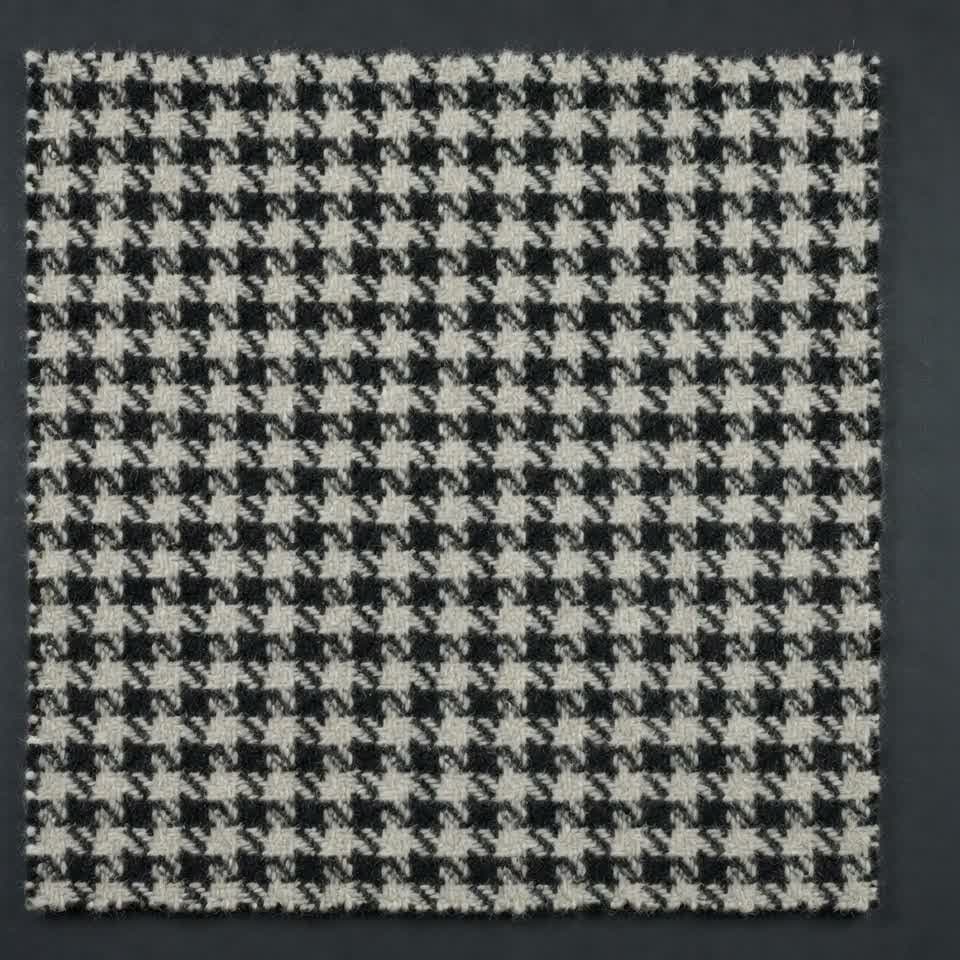
  • A flat panel of small-scale houndstooth wool shimmering under a slow pan.
    Houndstooth. A two-directional repeat interferes in both axes at once, so the shimmer has no single direction.
  • A flat panel of charcoal satin with a hard highlight travelling across it.
    Charcoal satin. Nothing folds back here — this is glare. The highlight travels and takes the surface with it wherever it lands.
  • A flat panel of saturated scarlet cloth flattening into a single glowing area as exposure drifts.
    Scarlet crepe. As the exposure drifts the red channel reaches its ceiling and the weave inside the colour disappears.
  • Navy pinstripe wool carrying broad rainbow interference bands that travel steadily across it.
    The same navy pinstripe from the top of this page, at the distance where it is worst.

06Scope

Four things this will not do

Not as a limitation to be lifted later. These are outside what the service is for, and a tool that wandered into them would be worse at the thing it is actually for.

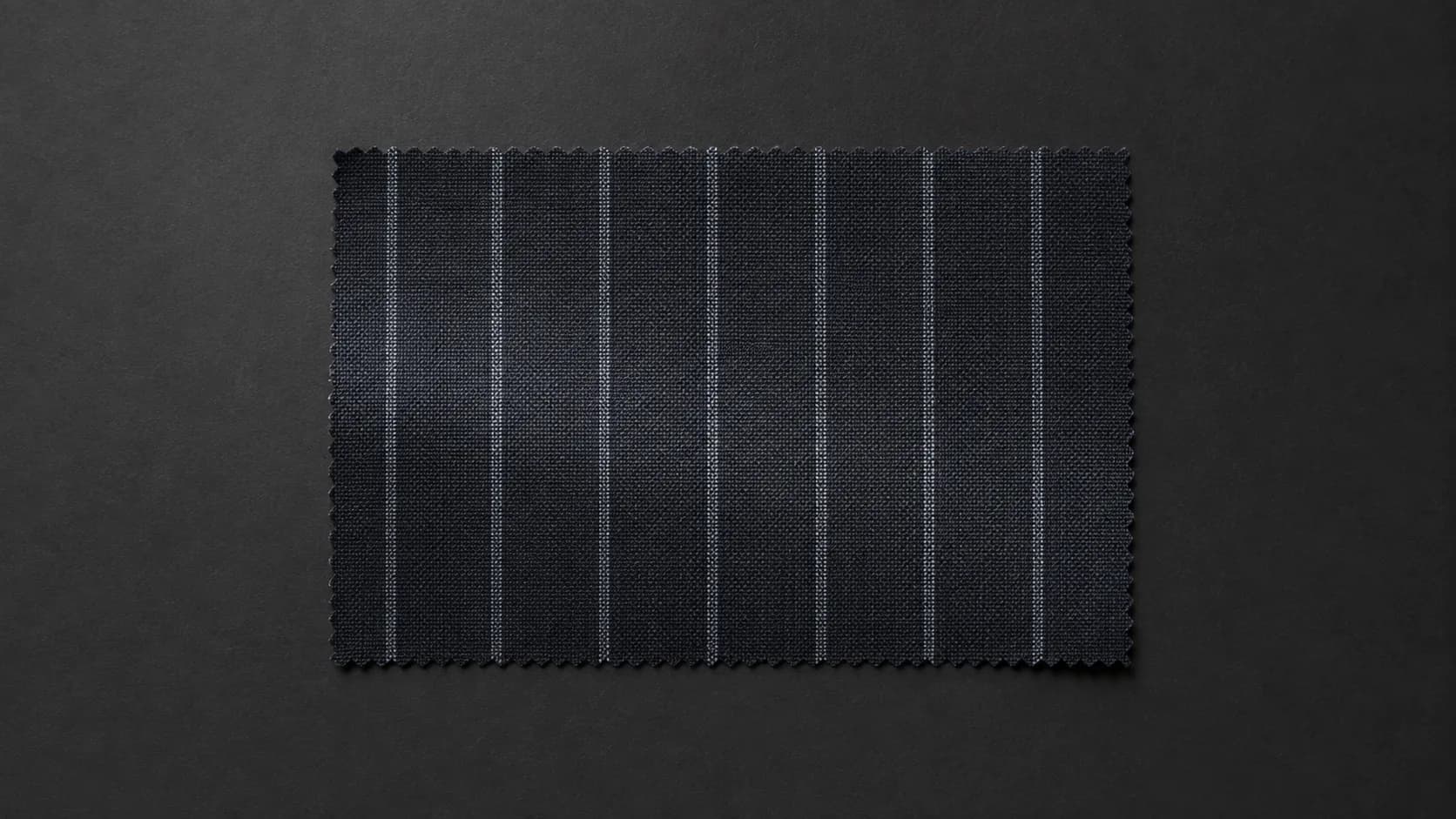
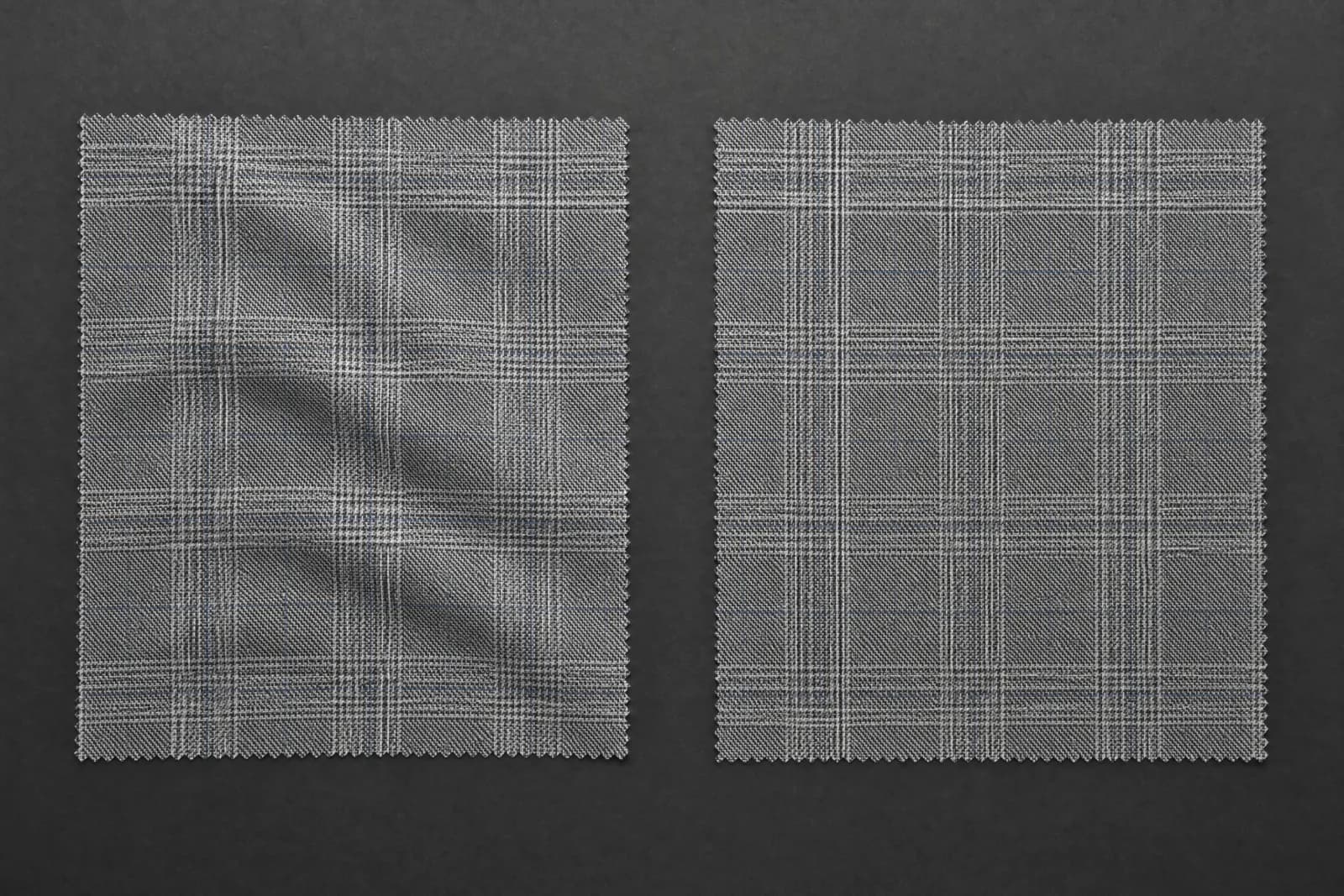
Two small cloth swatches placed a deliberate distance apart on a graphite surface with empty space between them.
  • 01

    It will not tell you how anyone looks

    No posture, no angles, no make-up, nothing about what is flattering. Photographs of anyone wearing anything are refused at the upload gate and nothing produced here contains a human figure. Fabric and camera. Nothing about how anyone looks on screen.

  • 02

    It will not advise you on selling

    No presenting, no audience, no growth, no scripts. It interprets no platform's rules or ranking, and makes no judgement about whether an item complies with any platform's policy. Those rules change often and differ between platforms; read each platform's own guidance.

  • 03

    It will not recommend equipment

    It will describe a change in general terms — a larger, softer source further from the cloth — and it will never point you at a product, a make or a model. The moment a read tool starts recommending purchases it stops being a read tool.

  • 04

    It will not call moire a quality problem

    It is not one. It is what two regular grids do to each other, and describing it as poor image quality sends people off to solve the wrong problem with the wrong money.

07Plans

Three plans. Nothing else to buy.

Every plan prints the full read, including everything that cannot be fixed and everything the read cannot know. The free plan watermarks the risk plate — never those two blocks, because covering the sentence that says stop is exactly how someone ends up wasting an afternoon.

Where the paywall sits

On Free you get all three readings and every reason. What you do not get is the clip. A card that says the interference is severe is a claim; watching it travel across the cloth is the thing that makes anyone believe it — and once you have seen it once, you recognise it on a rail for the rest of your working life.

Three rectangular cloth swatches of increasing complexity arranged as a stepped row on a graphite surface.
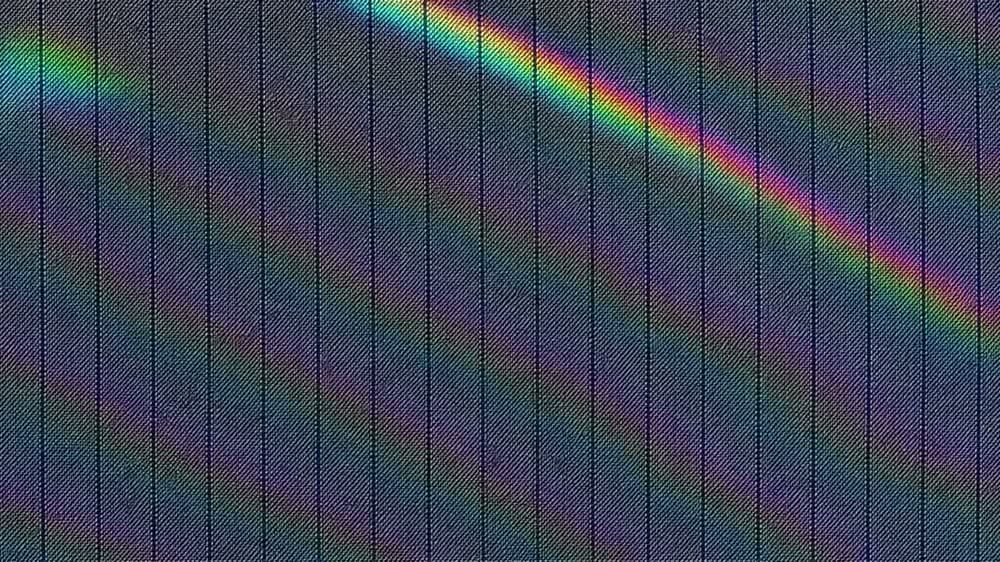
Navy pinstripe wool filling a tall frame, with broad rainbow interference bands travelling steadily across it.
This is what the clip looks like. The cloth is still; the bands are not. That difference is the whole reason the clip exists.

Prices in USD, tax added at checkout

Free

USD 0

No card, no expiry

Enough to find out whether a read tells you something you did not already know about the cloth in your hand.

50 units a month

  • Five garments a month
  • All three risk cards in full: moire, colour, glare
  • Everything the read cannot know, printed in full
  • Anything the read calls unfixable, printed in full
  • Risk cards carry a watermark
  • No motion clip
  • No side-by-side fixable and unfixable plate

Stream

USD 12/month

Charged today, renews every month

For the part a still picture cannot carry: watching the interference move.

460 units a month

  • Motion clip whenever moire reads medium or high
  • No watermark
  • Side-by-side plate of what a change fixes and what it does not
  • Shortlist of the pieces that came back clean
  • Full history of every read
  • Standard queue

Studio

USD 36/month

Charged today, renews every month

For working through a rail of pieces before you decide what goes in front of a lens at all.

1700 units a month

  • Everything in Stream
  • Batch reads across a whole rail
  • Compare one piece across several sensor and resolution assumptions
  • Priority queue
  • Encrypted storage with a per-photograph deletion path

Prices exclude tax; sales tax is added at checkout where applicable. Plans renew automatically until cancelled, and cancelling takes two clicks in your account. Full plan detail.

08Questions

Asked and answered

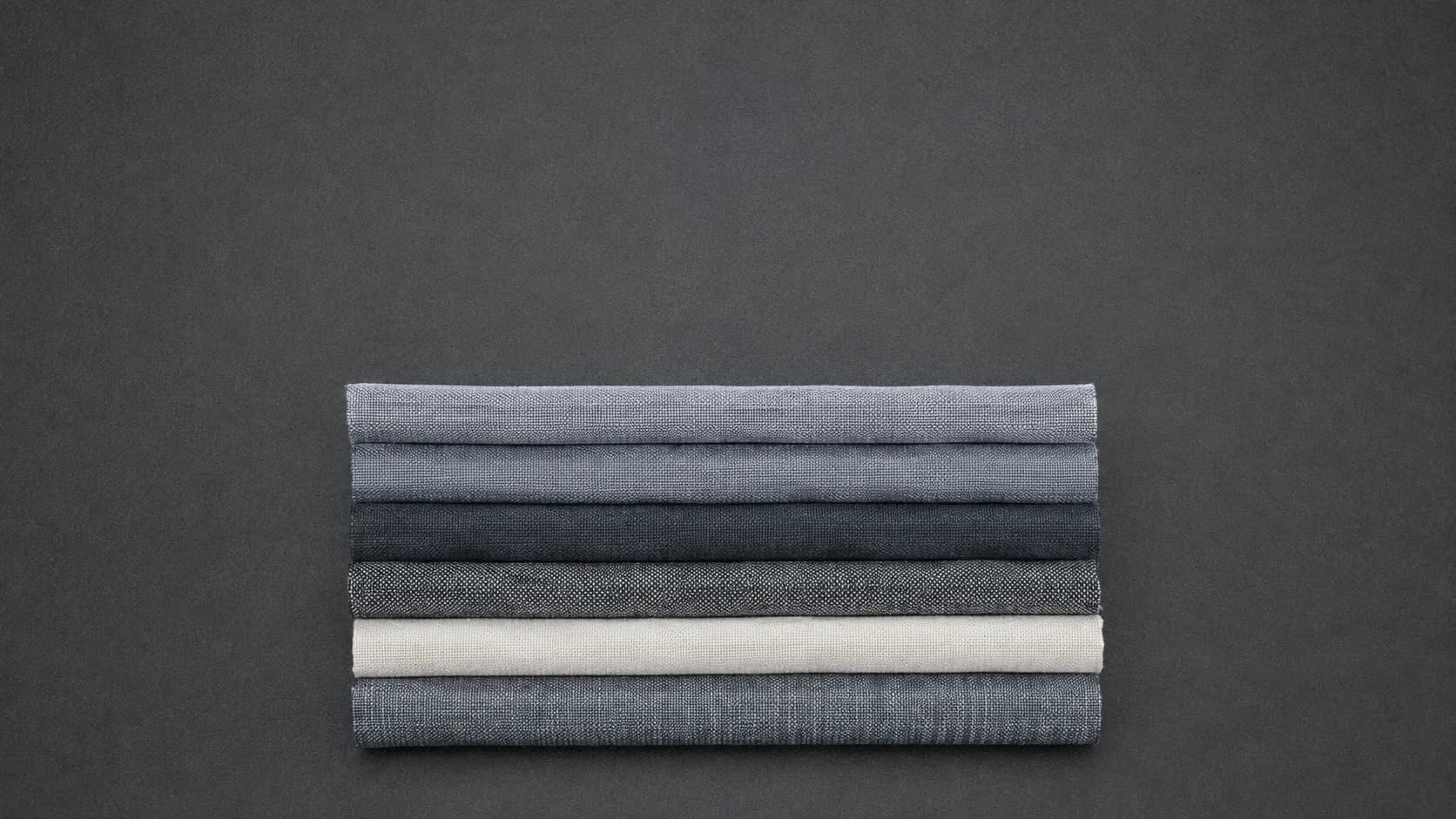
A stack of folded cloth samples with clean parallel edges seen from directly above.
01

What happens to the photographs I upload

They are stored so you can look at your own history, and you can delete any of them at any time from your account. Deleting one removes the file and the read that came from it.

They are not used to train any model, ours or anyone else's. That is not a preference you have to switch on; there is no switch, because it does not happen.

The service does not accept photographs of anyone wearing anything. The upload gate is for cloth: a close photograph of the weave, flat, with nothing else in frame.

02

How accurate is this

The moire reading is arithmetic, not opinion: it comes from the repeat the read measures in your photograph and the sampling geometry of the camera category you pick. Where that arithmetic is confident, it is confident for a reason you can check on the distance curve.

The colour and glare readings are judgements about a photograph, and they are less certain than the moire reading. Both are reported with the reason attached so you can disagree with the reason rather than with a verdict.

Every read prints what it cannot know. That list is never empty and it is never hidden behind a plan.

03

Will a better camera fix moire

No, and this is the single most common misunderstanding about it. Moire is not a shortcoming of the image. It is what happens when one regular grid — the weave — is sampled by another regular grid — the pixels on the sensor. Two grids of similar spacing produce a third pattern that belongs to neither of them.

A higher resolution changes the spacing of the second grid, so it changes the conditions under which the effect appears: it moves where on the distance curve the peaks fall. It does not remove the effect, and for some fabrics it makes it appear at a distance you are more likely to be standing at.

This is also why no filter, sharpening setting or post-production step removes it. The information that would have told the two patterns apart was lost at the moment of sampling.

04

Can you teach me how to sell on a live stream

No. This service handles the physical relationship between cloth and a camera, and nothing else.

It gives no advice about selling, presenting, audiences or growth. It does not interpret any platform's rules or algorithm, and it makes no judgement about whether an item complies with any platform's policy — those rules change often and differ between platforms, so anything said here would be a liability rather than a help. Read each platform's own guidance.

It also recommends no equipment. It will describe a lighting change in general terms — a larger, softer source further away — but it will never point you at a product.

05

Does it say anything about how someone looks on camera

No, and it will not. There is no advice here about posture, angles, make-up, what is flattering or how to appear on screen.

Photographs of anyone wearing anything are refused at the upload gate, and nothing the service generates contains a human figure.

Fabric and camera. Nothing about how anyone looks on screen.

06

How do refunds work

Cancel any time. Your plan stays active until the end of the period you have already paid for. We do not refund part of a period.

If a charge is wrong — you were billed after cancelling, or billed twice — write to us and we will refund it in full. That is a commitment, not a discretion.

The free plan exists so you can find out whether the read is useful to you before any money changes hands.

07

How do I cancel

In your account, on the billing page: one click to open cancellation, one to confirm. Two clicks, no telephone call, no email, no form, no support ticket and nobody trying to talk you out of it.

Cancelling is exactly as easy as subscribing, and it is in the same place.

You keep access until the end of the period you paid for, and we email you a confirmation when it is done.

08

What happens to my allowance at the end of the month

It resets. Anything unused is not carried over into the next period.

There are no credit packs, no top-ups and no stored balance. If you run out, the answer is a higher plan or the following month — there is nothing to buy.

The allowance measures use of the service. It is not money, it is not stored value, it cannot be redeemed for cash and it cannot be transferred.

09

Is there an age limit

Yes. The service is not offered to anyone under 13, and no account may be created for a child under 13. We do not knowingly collect personal information from anyone under 13; if we learn that we have, we delete it.

If you are between 13 and 18, you may use the service only with the involvement of a parent or guardian who accepts the terms on your behalf.

10

Why does the video only appear sometimes

A clip is produced when the moire reading comes back medium or high, because that is when there is something to see. When the reading is low, the clip would be a piece of cloth on which nothing happens, and it would cost you fifty units of allowance to find that out.

The risk cards are always produced. The clip is the part that has to earn itself.

Onframe

Find out before it is in front of a lens

Five pieces a month on the free plan, with every reason and every limitation printed in full. No card.